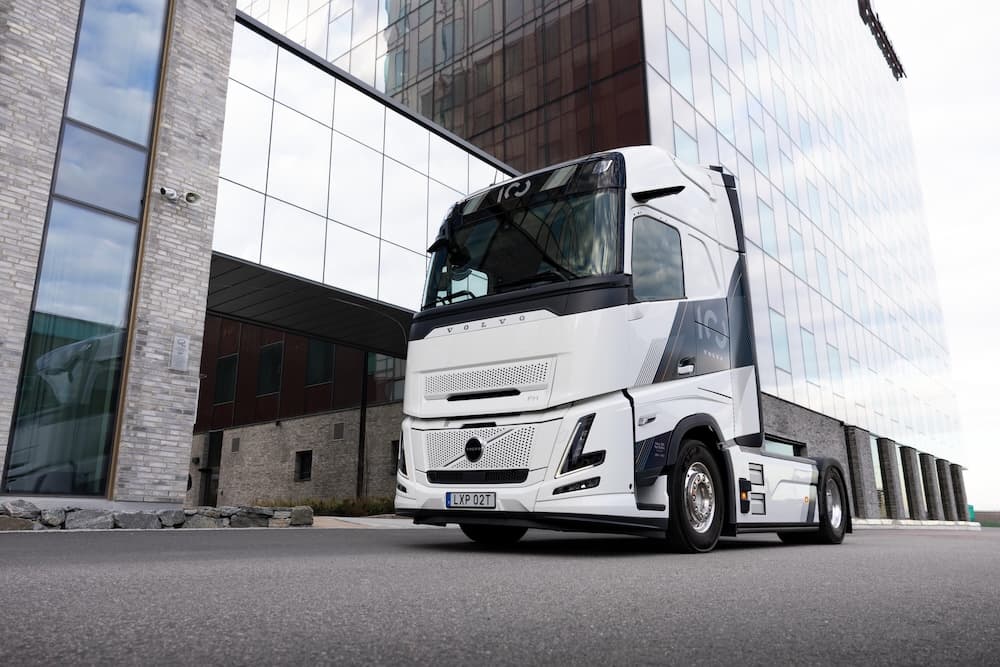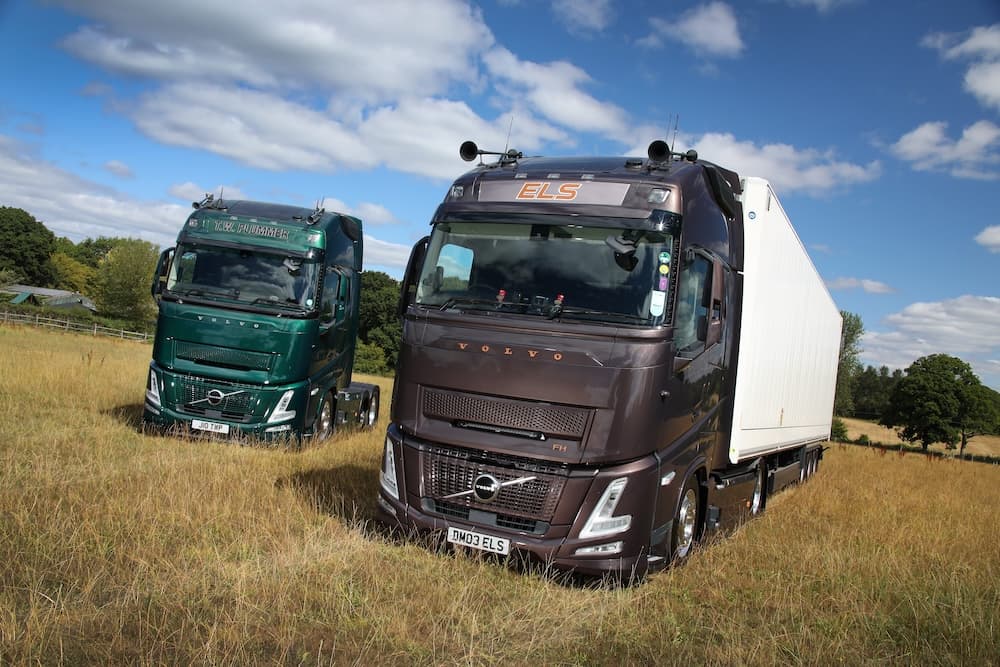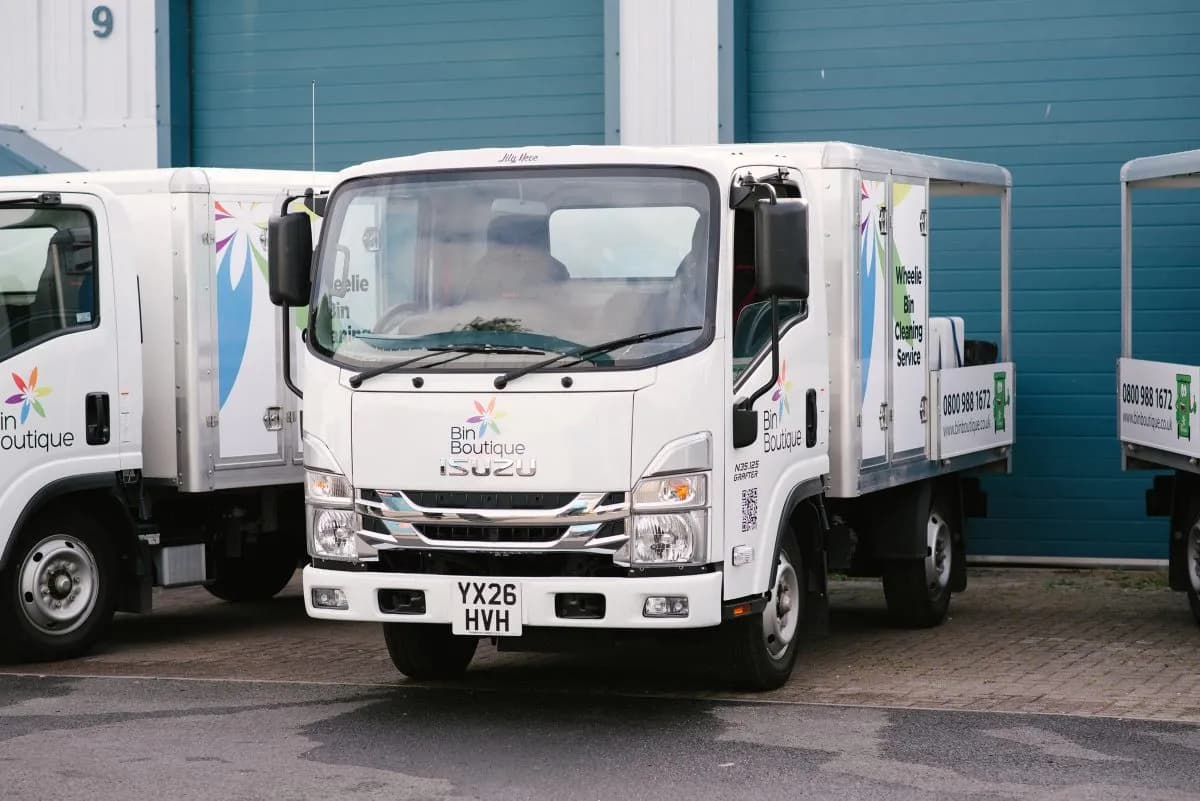
Drawing on TIP’s experience supporting fleet across Europe, this whitepaper explains how the system will work, what it means for operators, and the practical steps companies can take now to plan with confidence.
The Dutch Truck Toll: What You Need to Know
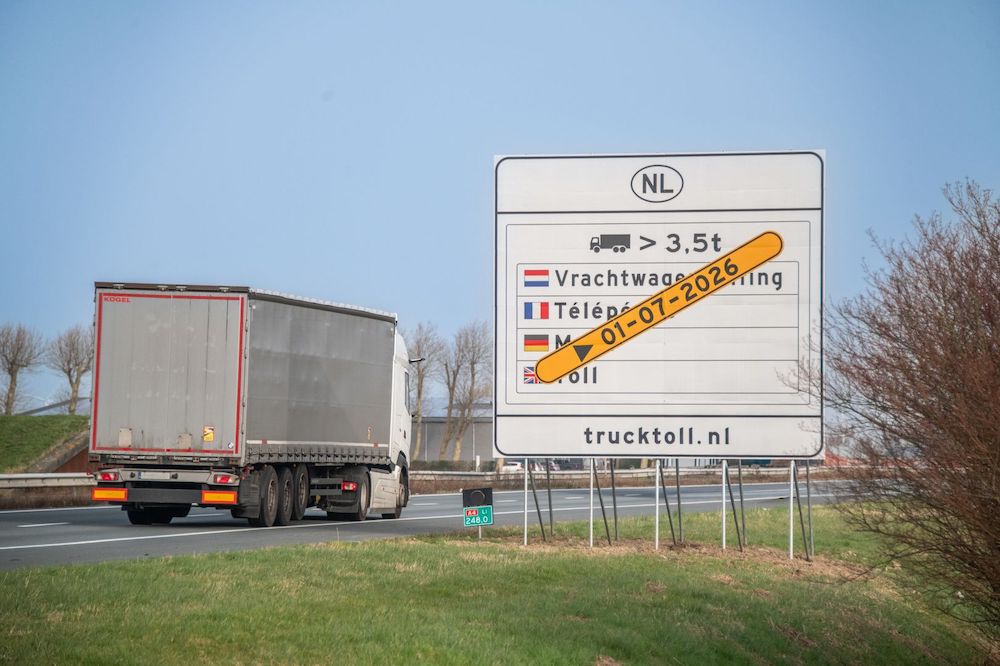
On 1 July 2026, the Netherlands will introduce a new kilometer‑based truck toll (“vrachtwagenheffing”), replacing the current Eurovignette system. The new regulation applies to heavy trucks (categories N2 and N3, >3,500 kg) whether registered in the Netherlands or abroad. The tariff level is determined by the CO₂‑emission class recorded at the moment of vehicle registration.
For European fleet operators, this means that truck owners driving in the Netherlands will be required to pay a per‑kilometer fee on almost all motorways, as well as on selected provincial and municipal roads. How much to pay depends on:
- Vehicle weight (technical maximum mass)
- CO₂ emission category
- EURO emission class (not always required)
Cleaner and lighter vehicles will pay a lower rate, reinforcing the Dutch government’s goal to stimulate low‑emission transport.
Who Must Pay?
All domestic and foreign trucks in categories N2 and N3 with a technical maximum weight* of >3,500 kg. It does not matter whether the vehicle is empty or loaded.
- N2: Trucks with a technical maximum mass of more than 3,500 kg and up to and including 12,000 kg.
- N3: Trucks with a technical maximum mass of more than 12,000 kg or more.
*The technical maximum mass is the maximum mass that a vehicle with its load may weigh according to the manufacturer
Vehicles with an exemption:
- Electric trucks and vans (zero emission) up to 4,250 kg.
- Trucks with a one-day registration number
- Trucks with transition registration number (transit plate)
- Trucks with a trade plate
- Rubbish trucks, street sweepers and drain cleaners
- Defence vehicles
For the following vehicles, you can apply for a dispensation starting 1 April 2026:
- Vintage trucks (truck is 40 years or older and only used privately)
- Police and fire vehicles
A registration is required for a vehicle with a non-Dutch (European) license plate that qualifies for an exemption.
The toll aligns the Netherlands with existing toll systems in Germany, Denmark and Belgium, enabling fleet operators to use one toll service provider across multiple countries. This reduces administrative burden and improves cross border efficiency.
Cleaner vehicles will be charged less, encouraging fleets to adopt more efficient and sustainable equipment. Subsidy opportunities increase as revenue from the toll is reinvested into subsidies for electric trucks, hydrogen vehicles and charging infrastructure.
Why This Matters for Your Business
The toll will create both challenges and opportunities, affecting fleet operational costs and route strategies across Europe. Depending on your fleet’s age, fuel type, and usage patterns, this can impact your cost‑per‑kilometer significantly.
The cost per route will change, as companies will need to recalculate cost structures to keep margins competitive. In parallel, fleet sustainability becomes commercially beneficial, with low‑ and zero‑emission trucks enjoying reduced toll rates or exemptions. And cross‑border operations become easier, as the Dutch system is aligned with those in other countries, allowing toll payments via one provider.
Preparing for July 2026 – What Fleets Must Do
According to the official toll website:
- Sign a contract with a toll service provider (https://www.vrachtwagenheffing.nl/en/providers-and-obus)
- Install an On‑Board Unit (OBU) for kilometer tracking
- Verify truck classification (weight, EURO class, CO₂ category)
- Review route choices, cost forecasting, and operational impacts.
TIP can integrate these steps into a customer onboarding workflow and service packages, supporting seamless compliance.
TIP Group is ready to Support Operators through the Transition
The introduction of the Dutch truck toll will require evaluating which vehicles remain cost‑efficient under the new system and identifying where upgrades or replacements may be necessary.
TIP supports throughout this process, from toll readiness assessments and CO₂ category guidance to fleet renewal or upgrade strategies. With access to modern multi-brand diesel and electric trucks and flexible lease options, operators can adapt their fleets while maintaining operational continuity.
As Paul Beadle, Chief Operating Officer of TIP Group explains: “The Dutch truck toll means operators will need to make timely and well-informed decisions about their fleets. Our role is to help customers understand the impact, look at the available options and plan ahead with confidence, so they can keep their operations efficient today while preparing for the next stage of transport regulation”
TIP Advice
Many fleet operators are actively pursuing sustainability, yet uncertainty remains around the optimal timing, scale of investment, and operational suitability of electric trucks. This makes the current period strategically significant. Selecting an efficiently configured diesel truck today can help operators avoid unnecessary kilometer‑charge exposure, while still preserving the flexibility to transition to zero‑emission transport as conditions evolve.
Summary
To prepare for the new Dutch toll, operators should:
- Assess their current fleet, and which vehicles will face higher toll costs
- Review routes into/out of the Netherlands
- Explore lower‑emission equipment options